Understanding the social dynamics of gambling and their impact on players
The Influence of Community on Gambling Behavior
The social environment in which individuals engage in gambling significantly influences their behavior and decision-making processes. Gambling often occurs in social settings, such as casinos or online forums, where players can interact with one another. This interaction can create a sense of belonging and community among gamblers, which may either encourage responsible play or lead to reckless behavior. To explore how to enhance your experience safely, start here and discover valuable resources. The camaraderie built in these environments can amplify both the thrills and risks associated with gambling.
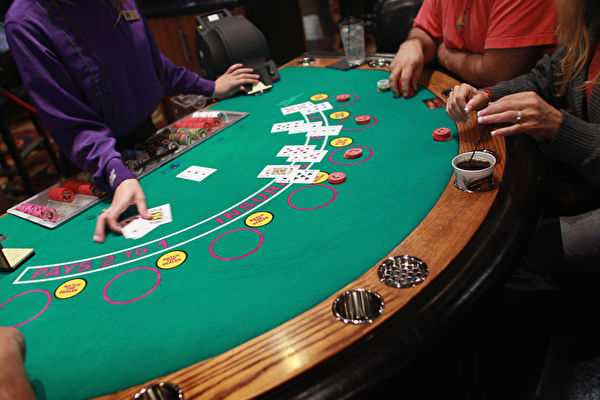
Peer pressure is another key aspect of the social dynamics at play in gambling. When individuals are surrounded by friends or fellow players who are enthusiastic about betting, they may feel compelled to participate more aggressively. This social influence can lead to higher stakes and riskier bets, as individuals seek to impress their peers or conform to group norms. Thus, understanding these dynamics is essential for both players and those who promote responsible gambling practices.
Luck and Skill: The Dual Forces in Gambling
In the gambling world, the balance between luck and skill is often hotly debated. While luck plays a significant role in the outcome of games, especially in games of chance like slots and roulette, skill can influence results in games like poker or blackjack. Players who understand strategy and employ it effectively can increase their odds of winning, which highlights the importance of skill in certain gambling activities. This interplay between luck and skill can make a significant impact on players’ experiences overall.
However, the element of luck cannot be understated. Many players may rely heavily on the hope of a lucky streak, which can create unrealistic expectations and lead to irresponsible betting behaviors. This tension between luck and skill can affect players’ motivations and their overall experience, making it a crucial aspect of gambling dynamics that requires thoughtful consideration.
The Role of Advertising and Media in Shaping Perceptions
Advertising and media play a pivotal role in shaping societal perceptions of gambling. Promotions that emphasize the excitement and potential for big wins can lead to an overestimation of the actual chances of winning. This portrayal can skew perceptions, making gambling seem like a more viable and attractive option than it often is. Players may be drawn to the idea of quick riches, overlooking the potential for losses.
Moreover, media representations often fail to depict the complexities of gambling addiction and its consequences. By glamorizing gambling without adequately addressing the risks, advertising can contribute to problematic behaviors among players. It is crucial for consumers to critically analyze these messages and understand the potential pitfalls that can accompany gambling.
Social Stigma and Its Impact on Gamblers
While gambling is widely accepted in many cultures, there still exists a stigma associated with it, particularly concerning problem gambling. Individuals who struggle with gambling addiction may feel isolated or ashamed, preventing them from seeking help or discussing their experiences. This stigma can exacerbate their issues, leading to a cycle of denial and continued risky behavior.
On the other hand, societal perceptions can also influence how casual gamblers view their own habits. Those who gamble moderately may feel judged or misunderstood, which can impact their willingness to engage in gambling activities. Understanding and addressing these social stigmas is essential for creating a more supportive environment for all types of gamblers, especially those in need of assistance.

Conclusion: The Importance of Responsible Gambling Practices
As the landscape of gambling continues to evolve, understanding the social dynamics at play is more important than ever. Players must recognize the influence of their communities, the balance of luck and skill, and the impact of media portrayals on their behavior. Acknowledging these factors can empower individuals to make informed decisions and adopt responsible gambling practices.
Moreover, platforms dedicated to promoting safe gambling can provide invaluable resources for players looking to navigate these complexities. By offering insights and support, these platforms contribute to a more informed and responsible gambling culture, enhancing the overall experience for players.